


This was a fascinating and heartbreaking story in a book written about the Frost family by Heritage & Lineage. The story took us deep into the military archives and into conversations directly with the Osaka Centre of Cultural Heritage and POW Research Network in Japan, who helped translate Japanese text, found our subject’s I.D. tag, sent us a photo and laid flowers at his grave in Japan for the family. The following is part of that story, with some pictures and evidence omitted from the book for privacy or copyright reasons.
William in World War II
William’s role in World War II wasn’t just confined to the UK. He signed up for the reserves and volunteered at the beginning of the war. However, instead of setting off to France to aid the war effort, he found himself on a mission to the Far East with his regiment, despite this not being his original destination.
After months of detailed research, drawing on the help of a Japanese translator, wartime diaries, William’s personal army records, and the expertise of military historians, we were finally able to uncover what had happened.
Timeline of William’s movements
-
- 6 December 1941 – Sailed in Convoy WS14 from Clyde heading to the Middle East.
-
- 21 December 1941 – Arrived in Freetown, South Africa.
-
- 19 January 1942 – Diverted from South Africa to Singapore, and then to Java, Indonesia
-
- 4 February 1942 – Arrived in Batavia in Java onboard the Empress of Australia.
-
- 25 February 1942 – Deployed at Andir Airfield near Bandung
-
- 1 March 1942 – Japanese troops arrived in their thousands and evacuation orders were issues.
-
- 1-7 March 1942 – Shuttle flights frantically came to evacuate.
-
- 7 March 1942 – The last shuttle flight left and remaining troops were left stranded.
-
- 9 March 1942 – Troops laid down their arms understanding that there was no possible way to resist. Surrender was to follow.
-
- 17 March 1942 – Captured in Java, Indonesia sent to Ambon Prisoner of War camp.
-
- October 1942 – Transferred to Japanese prisoner of war camps:
-
- Fukuoka No.3 – Branch Camp in Japan.
-
- Fukuoka No.7 – Branch Camp
-
- Hiroshima 6 – Omine Coal Mine Camp
-
- 10 November 1942 – He got sick.
-
- 22 Dec 1942 – Died at 9.30pm of acute enteritis in Hiroshima.
It’s a tragic story. We’re going to break the timeline down to discover what William was involved in:
6 December 1941 – Sailed from Clyde Scotland – Destination the Middle East
William was part of the 95 Battery, 48th Light Anti-Aircraft Regiment, Royal Artillery (regiment number 1549689). He was classed as a gunner. Gunner (Gnr) is a rank equivalent to private in the British Army Royal Artillery.
On 6th December 1941, Convoy WS14, one of the largest convoys ever assembled, set sail with its destination the Middle East. They set sail from Clyde in Scotland with their first port of call South Africa.
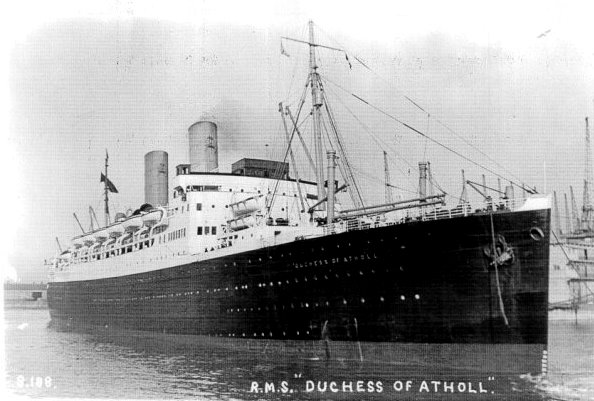
William was onboard the ‘RMS Duchess of Atholl’ with other batteries of the 48th L.A.A regiment. Their end destination was Basra in Iraq. However, with catastrophic events unfolding following the announcement that Japan had declared war on the U.S. and Great Britain on 7 December 1942, their plans were to be changed.
During their journey, troops didn’t receive any letters and the daily newsletters they received while on board played down the bombing that was happening in the U.K. Letters that they sent to families were also heavily censored.
21 December 1941 – Arrived in Freetown, South Africa
William and his regiment arrived in Freetown, South Africa on the 21 December 1941, which was where they had Christmas dinner before they set sail again. However, they didn’t return to the Duchess of Atholl due to defects that were discovered during their voyage from Scotland to South Africa.
19 January 1942 – Plans changed with diversion to Indonesia
William and his battalion were to be re-located to another ship, boarding the Empress of Australia ship in Freetown. They sailed from Freetown to Cape Town, but were initially not allowed to dock. In a diary of one of the soldiers on-board, we discover that the Empress of Australia had been in Sierra Leone prior to arriving in South Africa and someone had brought a monkey on board. Gunner Neil Reid of the 77th H.A.A Regiment wrote in his diary that they “spent two days chasing it around the ship to try and catch it. When it was finally captured the only thing that could be done was to throw the monkey overboard to drown, to enable the ship to dock.”
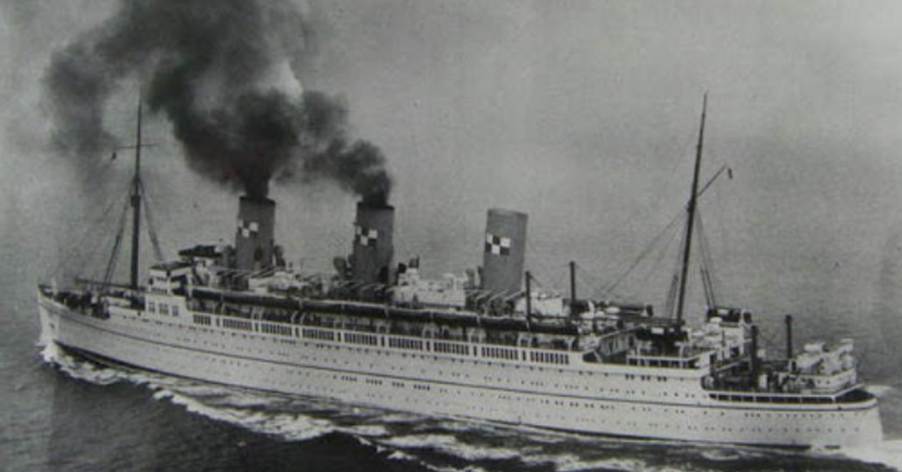
The Empress of Australia
The ship sailed on towards the Maldives before being diverted. Urgent help was needed in Singapore by allied forces, but during the journey the ship was diverted again to Java, Indonesia as allied troops faced bombing raids from the Japanese on allied bases and airfields that had been set up as strategic points in the area. The area was rich in oil and a vital asset during the war. Known at the time as the Dutch East Indies, Indonesia was largely defended by Dutch troops. However, the Empire of Japan had their sites set on taking the East Indies for themselves and bringing an end to Dutch colonial rule in the area. This area became one of the major targets, and Australians and British were called in to help.
4 February 1942 – Arrived in Batavia in Java, Indonesia
William and his regiment arrived in Batavia in Java, Indonesia on 4 February, 1942. The troops were housed in the barracks of the colonial Dutch forces where no provision had been made for food. Few preparations had been made by the Dutch for the defence of Java and life in Batavia carried on as normal, with bars and restaurants open.
It was generally thought that Java could not be effectively defended, and the decision to land the troops there was mostly political. The battle that they were to face was unwinnable.
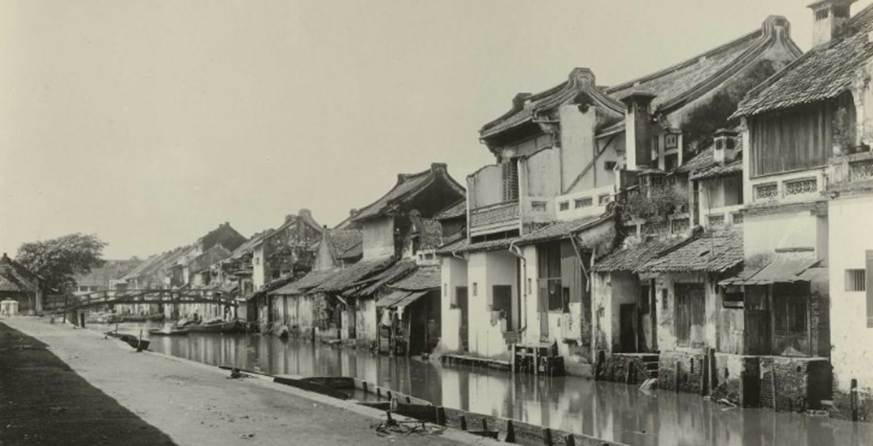
Typical road in Batavia
There were many airfields set up as strategic points by allied forces, and the task of many of the regiments who arrived there was to help reinforce these bases. William’s battery was sent to Oosthaven in Sumatra (now Banda Lampung, en route for the airfield around Palembang. However, when they arrived allied troops were evacuating due to the heavy attacks by Japanese troops, so they returned to Batavia to await orders.
25 February 1942 – Deployed at Andir airfield near Bandung to bolster defences
On 25 February 1942, William and his regiment were deployed to Andir Airfield near Bandung to help bolster defences from the increasing attacks.
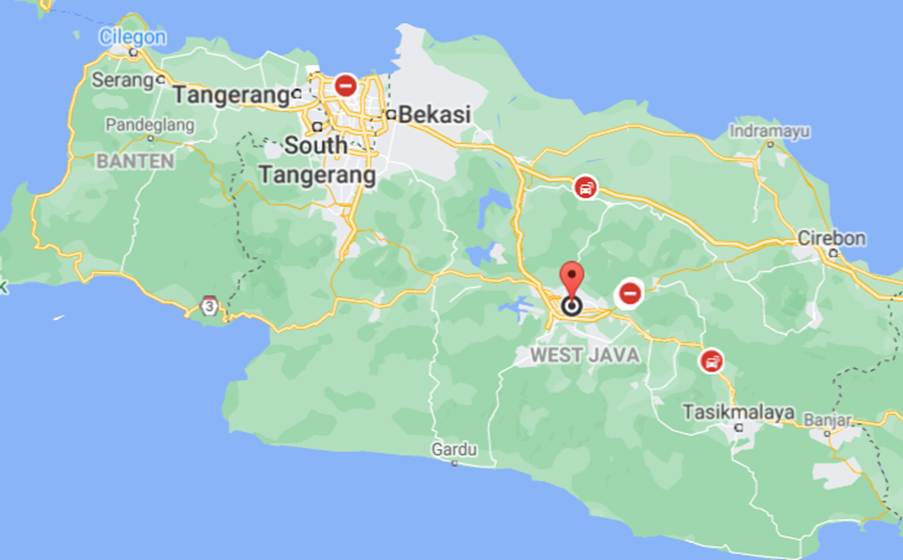
Pointer shows William’s location on 24 February 1942
1 March 1942 – Japanese troops arrive in their thousands – evacuation ordered
On 1 March 1942, Japanese troops arrived in their thousands. Allied forces were totally overwhelmed and with no more back-up arriving were issued evacuation orders.
1-7 March 1942 – Shuttle flights help evacuate civilians and personnel
With the situation around the Andir airfield becoming untenable with Japanese advancing daily, shuttle flights flew in and out of the airfield evacuating local residents, military personnel and cargo. The last shuttle flight out of Java was sent in on the 7 March 1942 and the remaining troops were left to fend for themselves.
William and his regiment abandoned the airfield and moved to a more mountainous area called Tjakadjang. The situation must have felt hopeless, so we can only imagine at this point they were hiding and hoping for rescue.
9 March 1942 – Some troops surrender. Office surrender arrives a few days later
Troops laid down their arms understanding that there was no possible way to resist and official documents were signed on 12 March to surrender.
20 March 1942 – William captured in Java – Sent to Ambon POW camp
William was captured on 17 March, 1942 in Java, Indonesia. It’s interesting that this was 8 days after allied forces had surrendered. At this point we can only assume that William was evading capture, perhaps hiding out in the mountains in the hope of rescue rather than becoming a prisoner of war.
However, he was captured and sent to Ambon Prisoner of War camp. Ambon was the capital of Moluccas and a small island to the East of Indonesia.
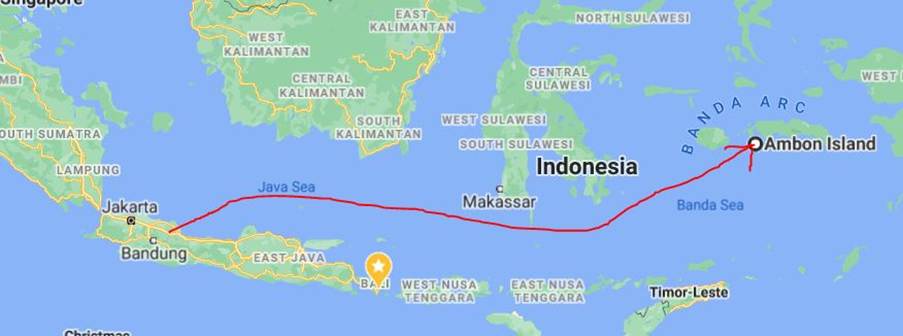
William’s rough location at the time of capture and his next destination – the POW camp on Ambon Island
This was where William spent most of his time (approximately seven months) as a prisoner in what became to be known as one of most brutal prisoner of war camps.
Many of the prisoners here were sent to work on the construction of Japanese airfields and conditions were said to be extremely difficult.
Just a couple of weeks prior to his capture, Ambon was the location of a horrific scene called the Laha massacre, in which Japanese soldiers executed hundreds of Dutch and Australian prisoners by beheading them. At the camp, starvation, executions and diseases were common and those in charge were later investigated and charged in one of the largest ever war crime trials.
According to a book written by one of the Australian prisoners at Ambon during William’s time, the atmosphere at the camp and the treatment of prisoners was relaxed to begin with, but soon turned sour when it was noticed that some prisoners has escaped.
Discipline was increased with regular beatings and POWs were not allowed to leave camp. Tensions between officers and soldiers hit breaking point. Officers were spared labour work and given extra food for helping to keep their squads in line, but it was reported that some officers would hand over offending soldiers, who didn’t respect the orders of the Japanese officers, to save their own skin.
This dampened morale, which was only to get worse as food ran short and the brutality of the Japanese soldiers got worse. The punishment for attempting to escape was death, despite it being totally against the Geneva Convention.
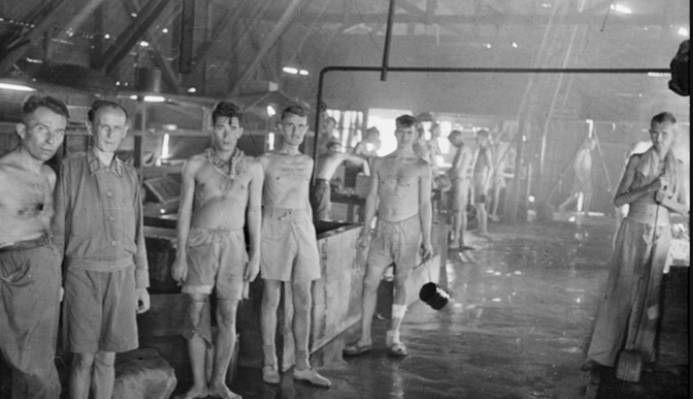
Photo of POWs at Ambon
Despite this threat, the situation was so desperate that prisoners still risked death to escape. One party was captured and were taken to the Japanese general’s hut. He sat outside, blew a whistle and his Japanese soldiers descended on them with bits of wood and metal beating them to within an inch of their lives. Some of them died, and others only just survived.
Another group of prisoners caught stealing were hung from trees with their feet barely touching the ground where Japanese soldiers would beat them at intervals and put their cigarettes out on them right through until dawn.
With the lack of food becoming desperate, many soldiers in the camp had no choice but to devise ways to steal food. Many were caught, beaten and some were never to be seen again.
The POWs were becoming increasingly sick and it’s noted that some even turned to stealing from each other to survive.
There’s a book that lifts the lid of the horror of this particular camp, which is very tough reading, but it’s a story not just of depravity and brutality, but of triumph of the human spirit, bravery and endurance. William was to survive this particular camp while many died. It’s reported that 77 per cent of prisoners who entered the camp died there.
Further reading > https://www.amazon.co.uk/Ambon-triumph-Hachette-Military-Collection-ebook/dp/B00J04SY64
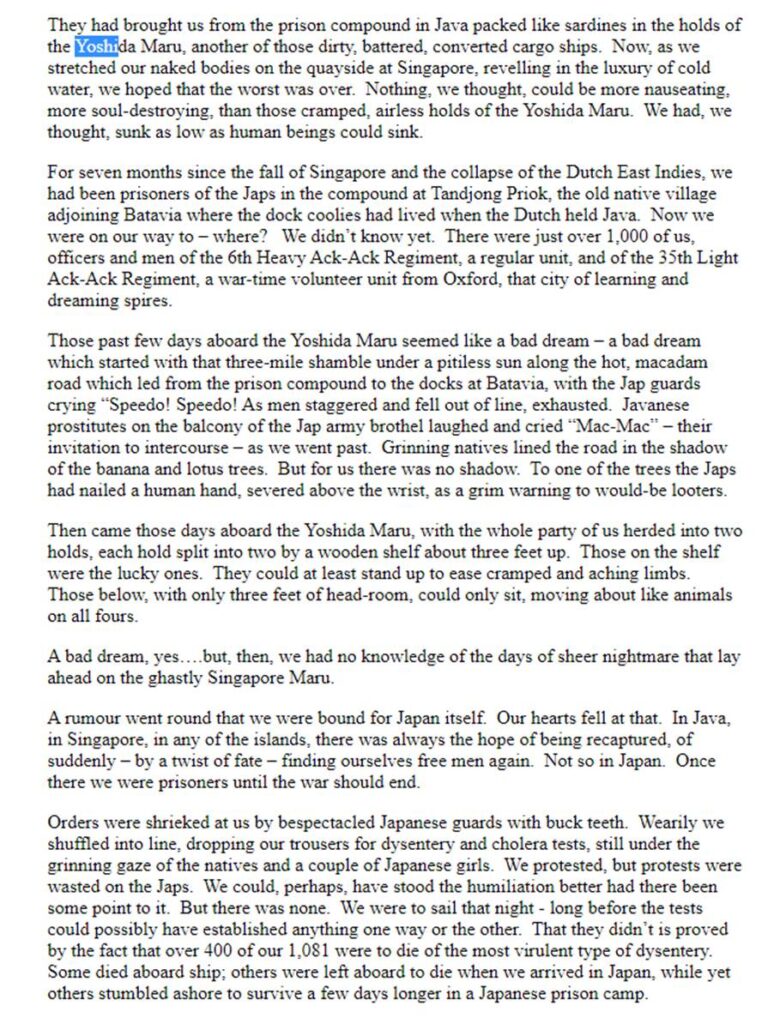
22 October 1942 – Transferred to Japan on the Yoshida Maru hell ship
William, along with 2,500 POWs were transferred to Japan, boarding the Yoshida Maru on 22 October 1942. By this point, William had been at Ambon prison camp for seven months. These ships came to be known as “hell ships” due to the dreadful living conditions and barbaric treatment toward captives.
Many were to be not be in a fit state to travel with cases of malaria, dysentery and malnutrition sweeping their camp. The hope of perhaps heading somewhere where they would be treated better was dashed with the following regulations given to each prisoner and the prospect of many weeks at sea.
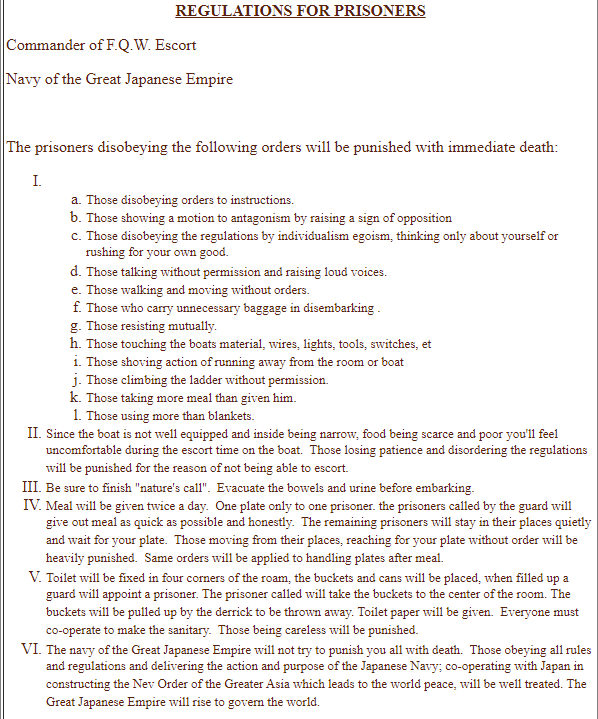
Throughout the voyage meals of rice and fish soup were served daily. Under these conditions there was an immediate increase in sickness and an emergency hospital was formed on the upper deck under the shelter of a leaky tarpaulin. No blankets were provided, nor were any medical supplies of any description.
In a written account of the journey, a fellow soldier called A.G. James wrote:
25 October 1942 – Arrived at Singapore
The “Yoshida Maru” arrived at Singapore at 13.00 hours on the 25th October and the following morning all personnel were ordered ashore for a hose-down on the dock side under the supervision of Japanese guards. All personnel were then marched to the roadside where they were obliged to take down their trousers and a glass rod was inserted in each man’s anus in full public view.
In Singapore, the severely sick, who hadn’t already died on board, were sent to on-shore hospitals, while William and approximately 1,000 other men were transferred to another ship called the Dainichi Maru.
30 October 1942 – Transferred to the Dianichi Maru ship – destination Japan
This set sail for Moji in Japan on 30 October 1942 with William on board with 100 British POWs. It was during this step of the voyage that William got really sick. It was reported that 80 prisoners died on this voyage from Singapore to Japan with most cases attributed to starvation, suffocation and disease.
10 November 1942 – William is reported sick
William was officially reported sick by the Japanese on 10 November 1942 during the voyage (mentioned on his POW index card).
The overall statistics were grim. 50,000 POWS were transported by sea on various trips to Japan and 10,800 died during the voyage.
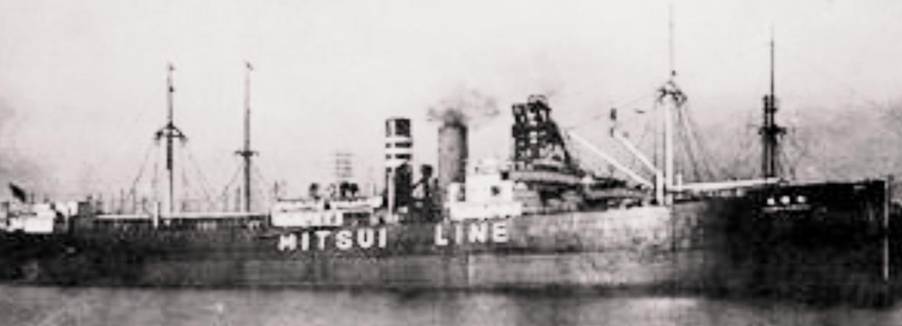
25 November 1942 – Arrived in Moji, Japan
The ship arrived in Moji on 25 November 1942, meaning William had almost spent a month on board. William and the other POWs were transferred to Hiroshima #6 camp, approximately one hour away. The camp changed names multiple times and you may see the names of what look like other camps on his records, but following translations and help from a Japanese history expert, we are told that this was just sections of the same camp and was the only camp that William stayed in while in Japan.
27 November 1942 – Arrived at Hiroshima #6 POW camp, Omine mines, Yamaguchi
On 27 November, 1942, William was transferred to the Hiroshima Prisoner of War Camp 6, location Omine, Yamaguchi. The camp was located on a hillside and consisted of two-storied wooden buildings.
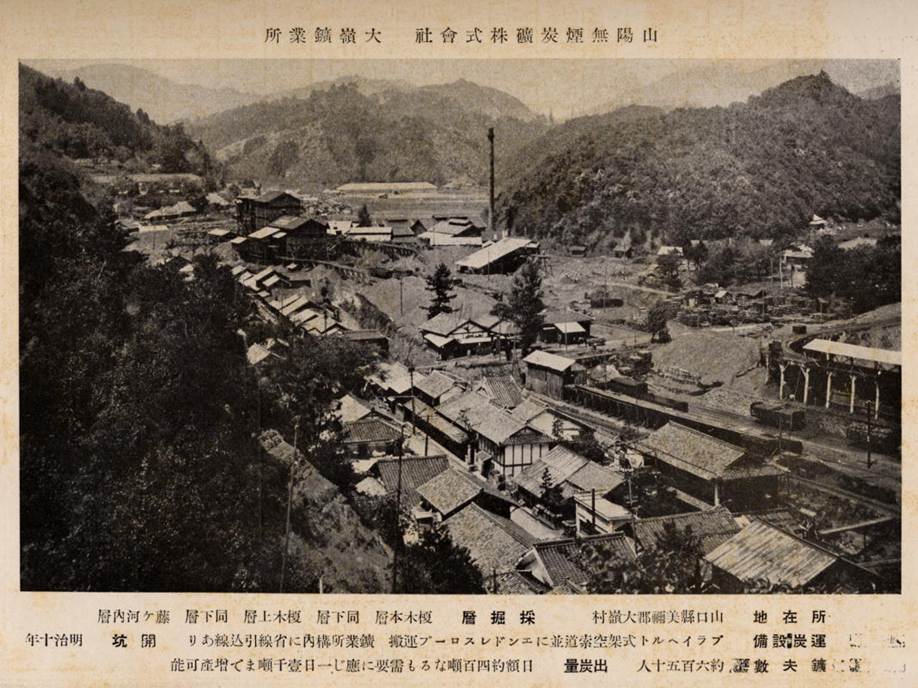
Hiroshima 6 POW Camp, Omine Coal Mines
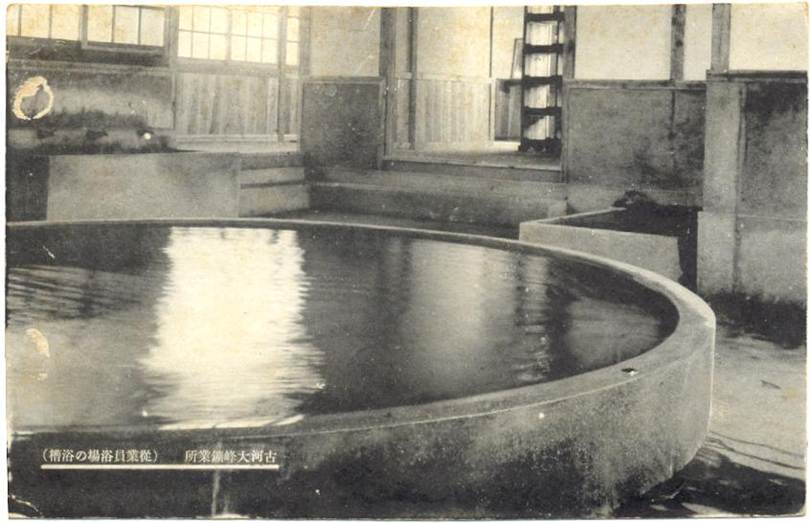
Communal bathing area at Hiroshima 6
The camp was a former slave labour camp ran by the Sanyo Corporation using a coal mine that had already been declared unsafe before war. The captured troops were forced to work down the mines, and the conditions were unsafe and their treatment was poor. the POWs had to carry these around with them at all times. If the Japanese guards found you without your block of wood, you would face the consequences (a beating).
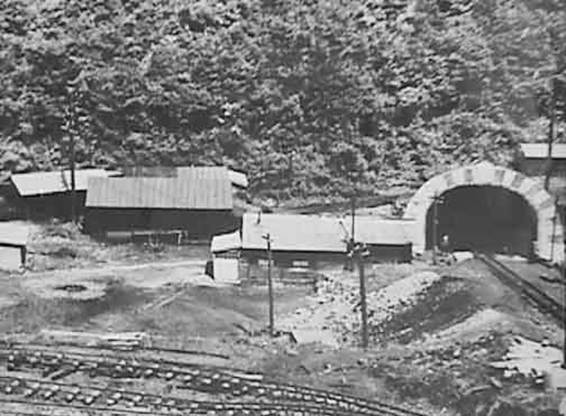
Entrance to the mines where the POWs worked at Hiroshima 6
It was at Hiroshima POW Camp #6 where William died. The fact that he was already reported as being sick a few weeks before he was transferred there may mean that he didn’t partake in any labour, but we can imagine that the Japanese officers wouldn’t have cared much about the welfare of their prisoners and they would still have been forced to work.
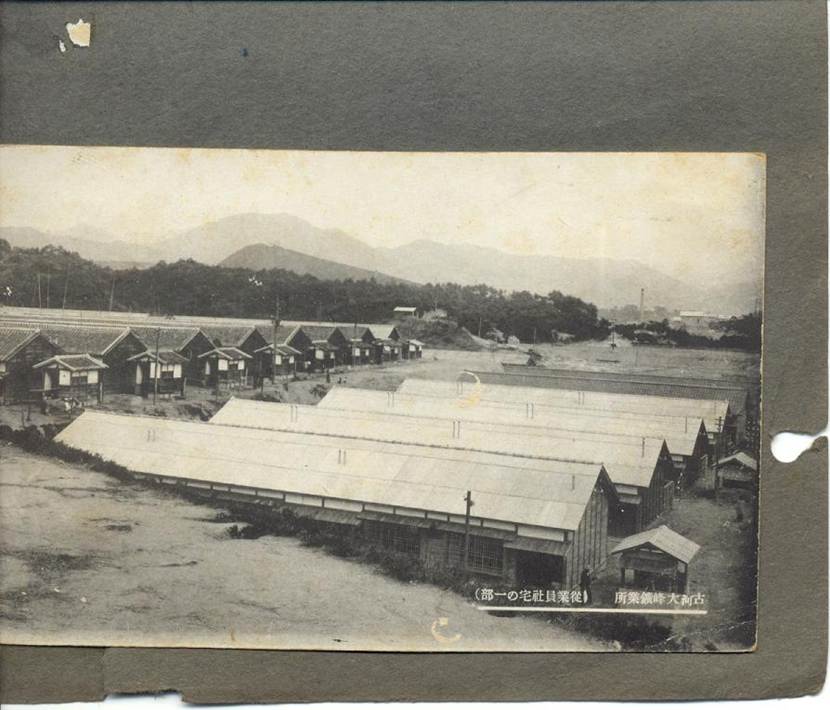
POW huts at Hiroshima 6
We discovered William on the list of prisoners, confirming his death date as 22 December 1942. His death was reported to the Sanyo dispatch office. He was just 39 and his cause of death was listed as “acute enteritis”, likely caused by eating or drinking something that was contaminated with bacteria or viruses.
On another document from the government list of Casualties and missing personnel (WO 361), his cause of death is listed as “Inflemmation Cremated of the intestinos”.
We see from War Office records that William was initially reporting missing when he was captured, so it must be been awful for the family not knowing where he was.
After death, William was cremated with his ashes brought to a shrine at a temple in Hiroshima.
Numerous documents regarding William’s service and time as a POW can be found below.
NOT SHOWN ON WEBSITE DUE TO PRIVACY
A list of some of the prisoners who died at Hiroshima, including William
Original Japanese POW index card
It looks like he was at multiple camps, but we have confirmed that it was just areas of the same camp due to its re-naming over time.
Yokohama British Commonwealth War Cemetery
Listed in the Commonwealth War Graves at the Yokohama British Commonwealth War Cemetery.
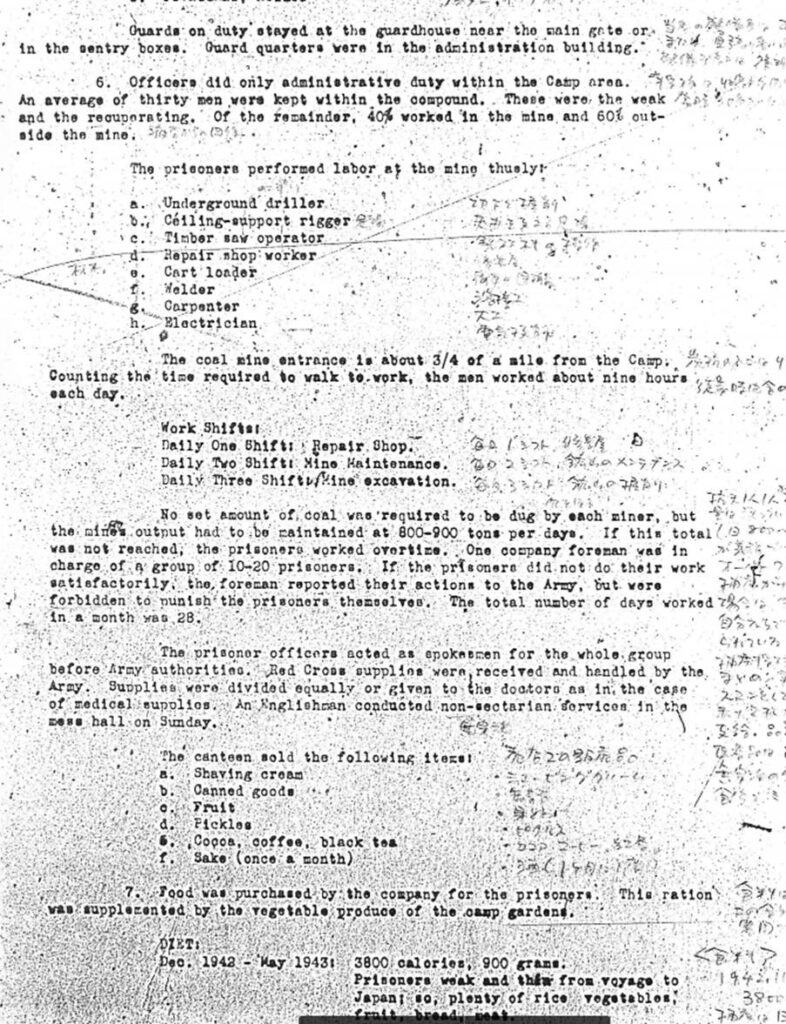
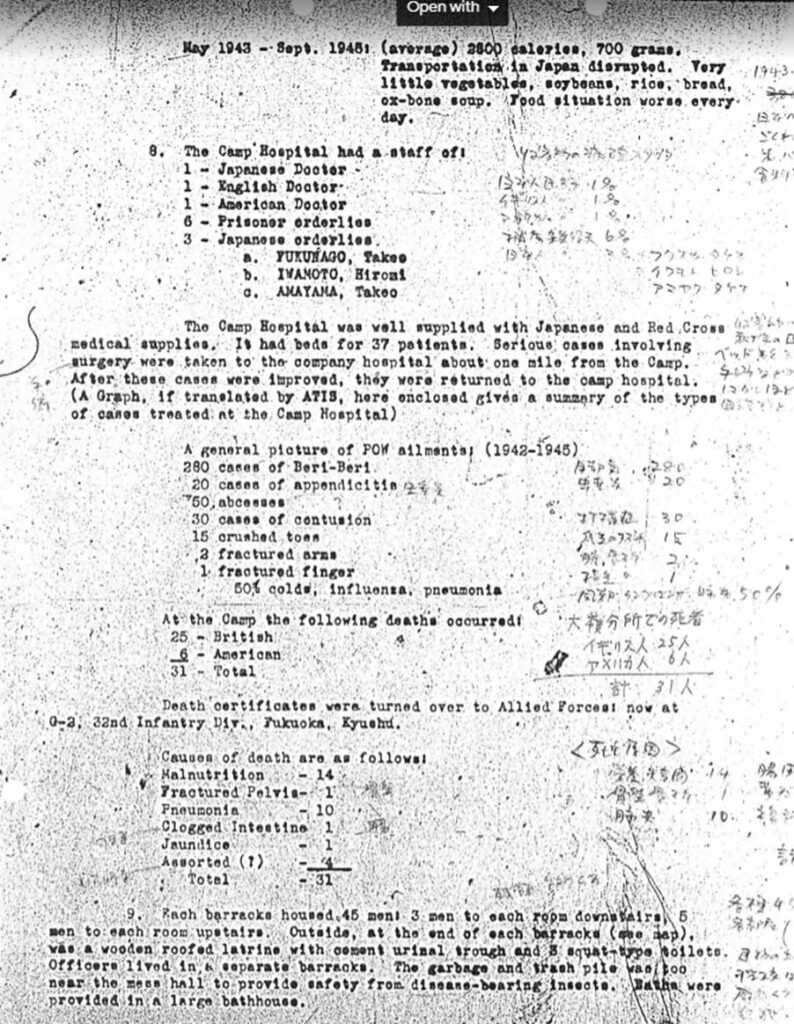
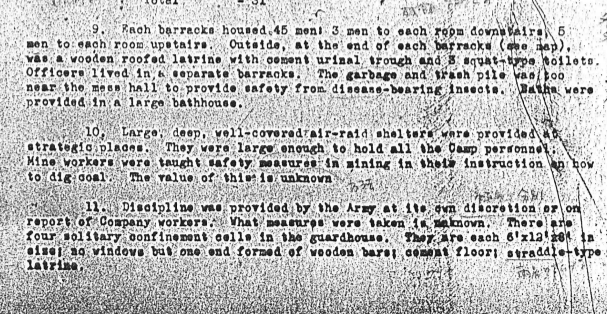
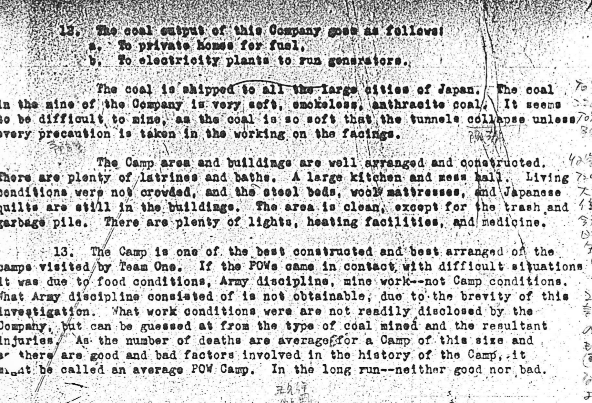
An investigation into Hiroshima #6 POW camp was carried out in 1946 and multiple Japanese officers were convicted of war crimes. The original report also gives us an insight into what the camp was like and what kind of work the prisoners would have been doing.
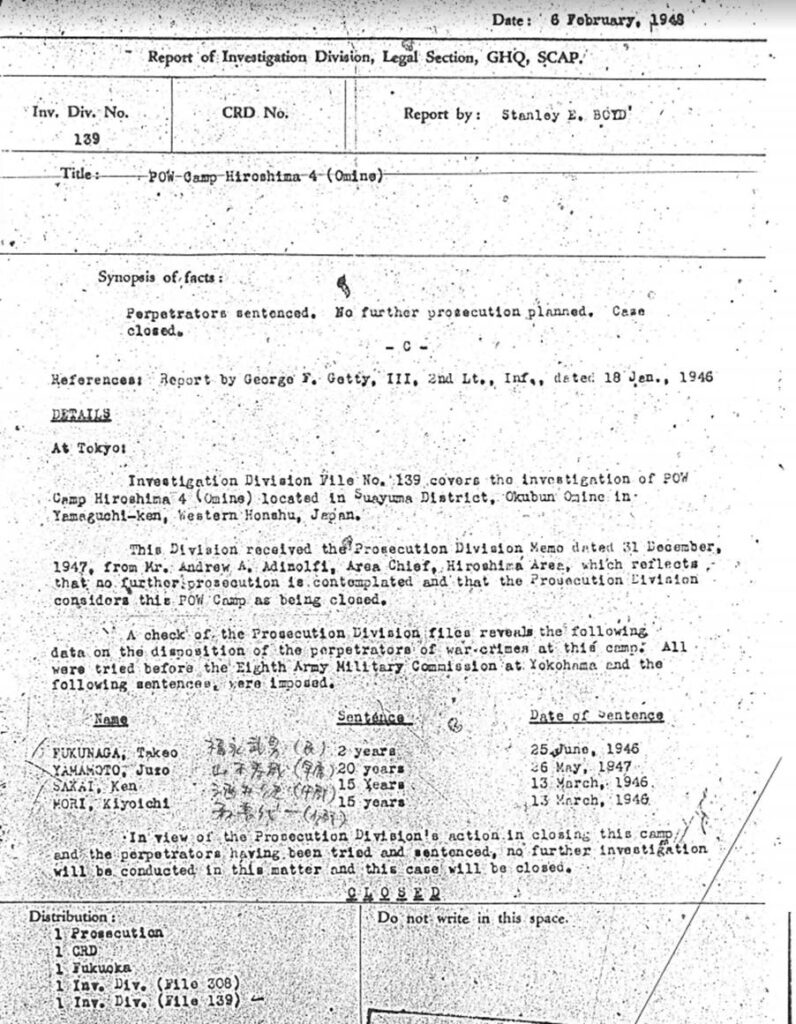
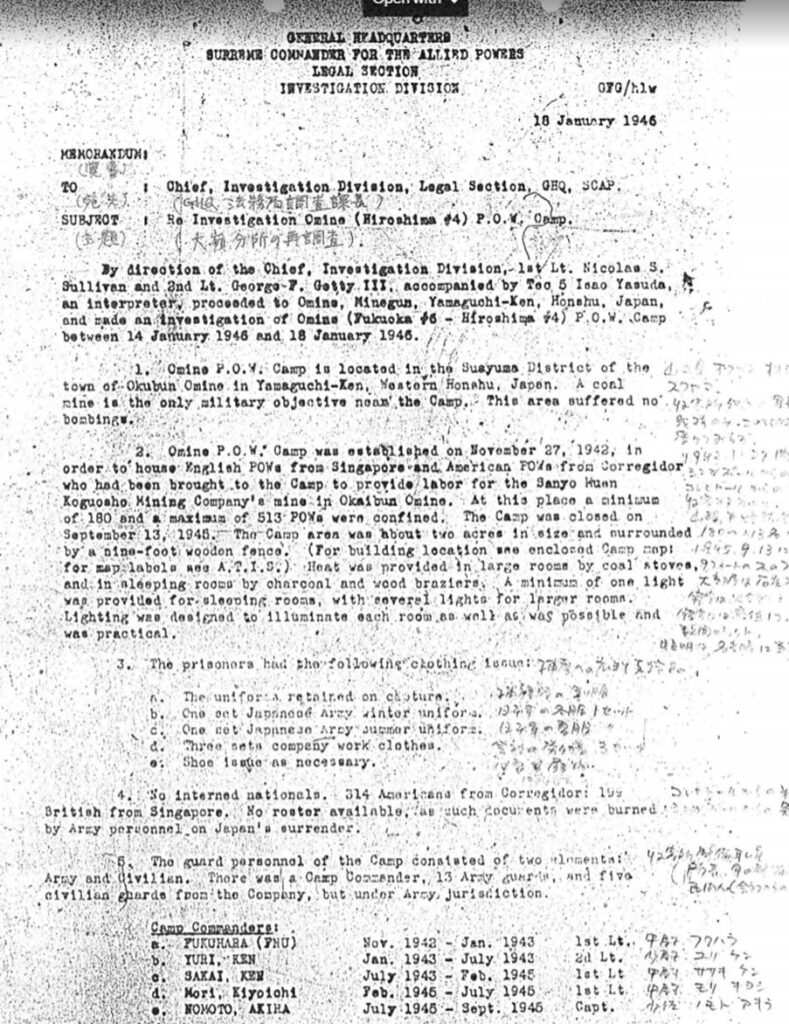
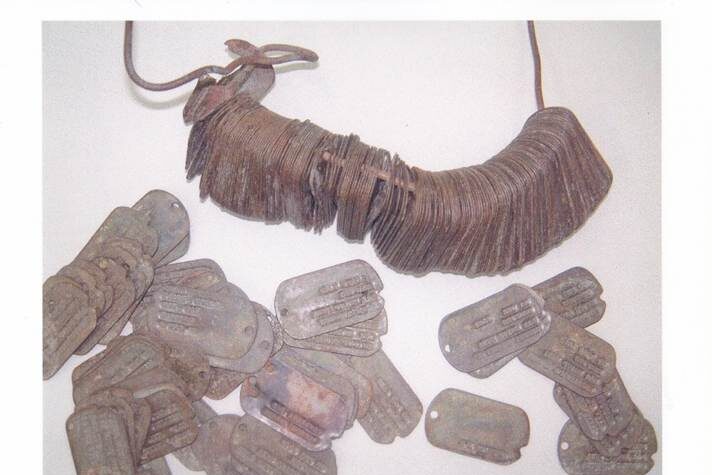
William’s ID tag found
In 2000, there was a documentary being made in Japan about prisoners of war. This was following the discovery of numerous ID tags which were found during an excavation near to Osaka castle in 1993.
106 ID tags of soldiers who were in prisoner of war camps were unearthed, including William John Frost’s. These metal ID tags are currently being held as historical artifacts and are on display at the Osaka Centre for Cultural Heritage.
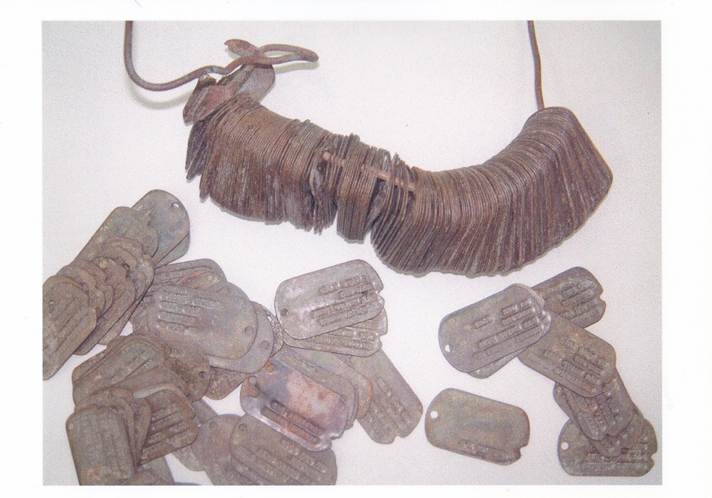
Initially discovery of ID tags. William’s is one of them.
It’s understood that these were not dog tags, but were I.D. tags of soldiers who had died, perhaps to identify the ashes of prisoners of war that were sent to Osaka. It’s believed that the I.D. tags may have been created by American occupation forces, who were based at Osaka between 1945-1948.
America forces left in 1948 and it’s believed they left behind these I.D. tags. After contacting the Osaka Centre for Cultural Heritage, they found William’s ID tag, which can be seen in person at the museum. They sent us a photo of his tag.
William’s ID tag (top left) found in 1993 – NOT SHOWN DUE TO PRIVACY
Sources:
After the war, numerous Japanese offices were tried for war crimes relating to Ambon and other atrocities. They were jailed or executed for their actions.
In 1996, the local people of Omine, Hiroshima erected a memorial for those that died at the Hiroshima #6 POW camp.
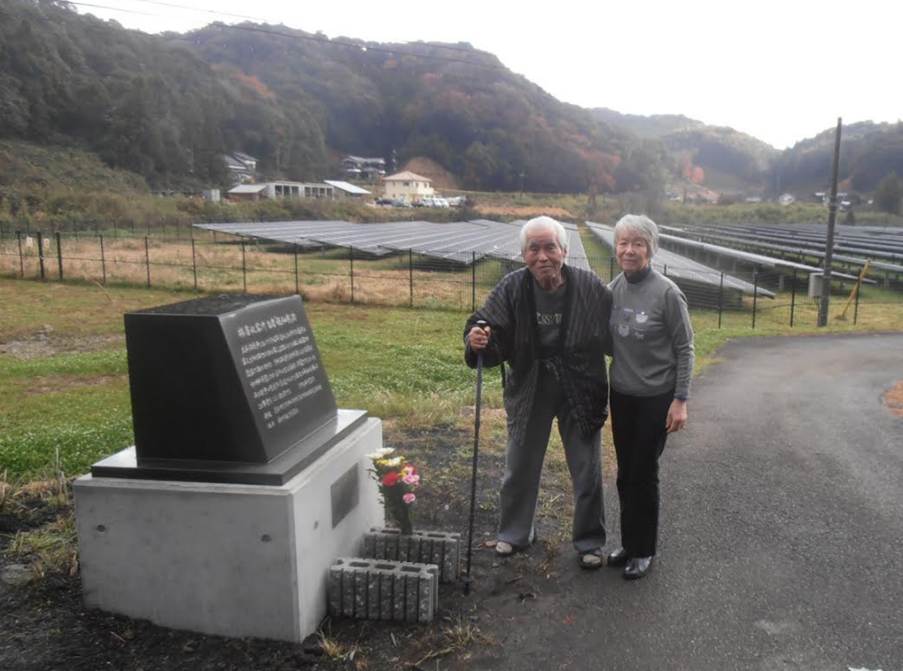
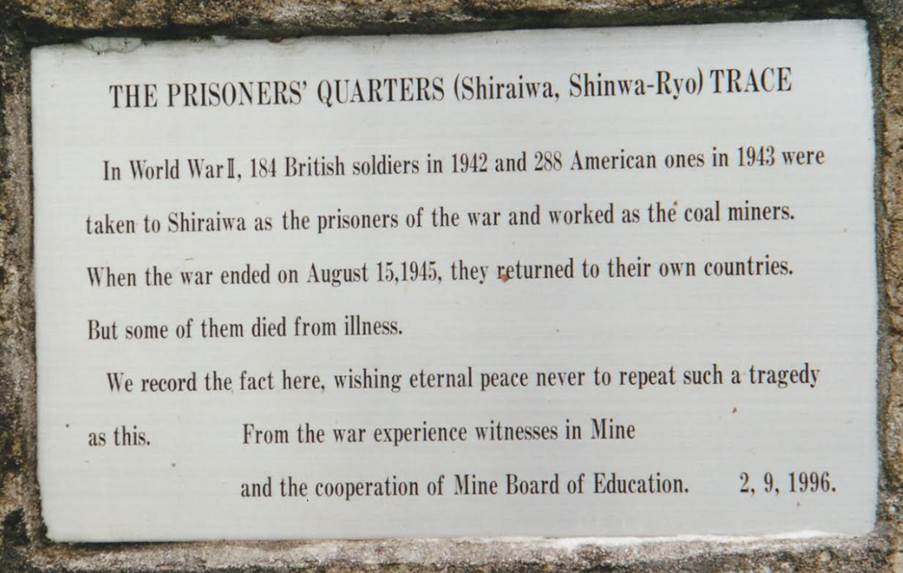
The saddest thing about the defence of this area of Indonesia is that it shouldn’t have happened. It was an unwinnable war and they knew that. Numerous books and diaries from soldiers believe it was purely for political purposes and to help delay the Japanese moving towards Australia. They were simply sent to their slaughter.
NOT SHOWN DUE TO PRIVACY
We also have some handwritten notes from William to his wife, which cannot be shown due to privacy.
Following this excerpt, we discovered the story of William’s cousin, who was also in the same unit. Aftger spending three years at various prisoner of war camps, he was liberated from Hiroshima 6 on 2 September 1945 by U.S. forces.