


Research Guides & Inspiration

Expert tips on preserving your ancestry records, discovering hidden family paths, and why exploring your heritage matters today.

family books

What You May Discover in Your Family History

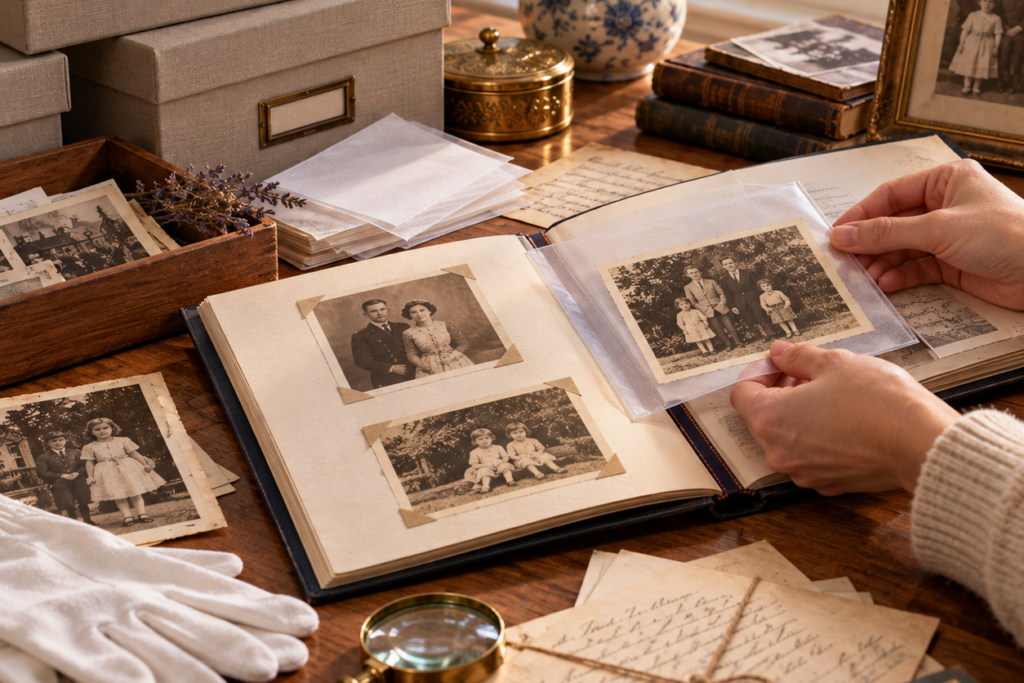
Every family history holds unexpected stories. While many people begin with a few known names and dates, genealogical research often reveals far more than a simple lineage. Through historical records, archives, and local history sources, it becomes possible to uncover the lives, movements, and experiences of ancestors across generations. While every family is unique, certain types of discoveries appear again and again. Migration and Journeys One of the most common discoveries in family history research is migration. Families moved for many reasons including work, economic opportunity, marriage, or the search for a better life. These movements often reveal how families travelled between towns, counties, or even countries. Tracing these journeys can show how a family’s story unfolded across regions and generations. Occupations and Working Lives Historical records often reveal the occupations of ancestors and the trades they practised. You may discover that members of your family were: • Craftsmen and skilled tradespeople• Agricultural labourers or farmers• Industrial workers during the rise of manufacturing• Merchants or business owners• Sailors, soldiers, or railway workers Understanding the work ancestors performed provides a glimpse into the daily realities of their lives. Military Service Many families have ancestors who served in military conflicts or national service. Military records can reveal details about: • Regiments and units• Service locations• Campaigns or battles• Injuries, honours, or pensions These records often provide powerful insight into moments when ancestors experienced major historical events. Changing Social Circumstances Family history research frequently uncovers shifts in social circumstances across generations. Some families rose gradually through changing occupations or education, while others experienced hardship caused by economic conditions, illness, or loss. Understanding these changes adds depth to a family’s story and helps explain how each generation shaped the next. Hidden or Forgotten Stories Occasionally research uncovers stories that have been forgotten or never spoken about. These might include: • Unexpected branches of the family• Children who died young• Family members who emigrated and disappeared from local records• Dramatic changes in family fortunes While not every family history contains dramatic events, almost every family history reveals human stories that would otherwise be lost. The Importance of Historical Context Records alone rarely tell the full story of a life. Understanding the world in which ancestors lived helps explain the decisions they made and the circumstances they faced. Wars, economic changes, industrial development, and social movements all influenced the lives of ordinary people. By placing ancestors within their historical context, family history becomes more than genealogy. It becomes a meaningful narrative of human lives across time. Preserving These Discoveries Many families choose to preserve their discoveries in a written family history so that the information is not lost. A carefully researched narrative allows future generations to understand their ancestry not only as a list of names but as a story that shaped their family identity. You can read more about why family history matters more than ever and how to preserve your family history for future generations in our research articles. Begin Your Own Discovery Every family history begins with a few known details and a sense of curiosity about the past. With careful research and historical understanding, those fragments can be transformed into a rich and meaningful account of the generations that came before. If you are interested in exploring your own family history, Heritage and Lineage would be pleased to discuss your project.

What You May Discover in Your Family History Read More »
old living room

Why Family History Matters More Than Ever

In an age of instant information and digital records, family history has taken on renewed significance. More people than ever are asking fundamental questions. Where do we come from? What did our families endure? What stories are at risk of being forgotten? Family history is not simply about tracing names on a tree. It is about understanding identity, continuity, and the lived experiences that shaped who we are today. When explored thoughtfully and preserved carefully, it becomes a powerful act of remembrance and a gift to future generations. Beyond Names and Dates At its most basic level, genealogy records births, marriages, and deaths. Meaningful family history goes much further. It explores how ancestors lived and worked, why families migrated or settled, and the social and historical forces that influenced their decisions. It also reveals the emotional realities that often sit quietly behind official records. When these elements are brought together, ancestry becomes narrative. Historical data is transformed into a story that can be read, shared, and remembered. For families considering next steps, understanding how to preserve your family history for future generations becomes just as important as discovery. The Rise of Narrative Family History In recent years, interest in narrative family history has grown significantly. This approach combines rigorous genealogical research with carefully crafted writing. Rather than presenting information as charts or automated reports, narrative family history places ancestors within their historical context. Wars, industrial change, migration, poverty, prosperity, and social reform all become part of the story. Readers gain a clearer understanding of who their ancestors were and what their lives were truly like. For many families, this depth and permanence are what digital records cannot provide. Preserving Stories Before They Are Lost Family stories are fragile. Memories fade, documents deteriorate, and oral histories disappear when they are not recorded. Many families reach a point where elder relatives hold memories that have never been written down. Letters, photographs, and documents may remain unorganised or poorly preserved. Stories are known in fragments rather than as a complete narrative. Preserving family history is not about nostalgia. It is about safeguarding knowledge so that future generations inherit understanding, not just surnames. Why Commission a Professional Family History Online genealogy tools offer accessibility, but they often lack context, accuracy, and narrative cohesion. Professional family history research provides careful verification of records, access to original archival sources, and the ability to resolve inconsistencies that can easily be missed. More importantly, professional work brings interpretation. Historical events are explained, social conditions are clarified, and individual lives are placed within the wider world in which they unfolded. The result is a family history that can be trusted and understood. Family History as a Legacy Gift Increasingly, families commission bespoke family history books to mark important moments such as milestone birthdays, anniversaries, weddings, or the arrival of a new generation. Unlike temporary gifts, a family history book becomes something enduring. It can be shared at family gatherings, used to teach younger generations, and passed down as a physical record of identity and belonging. Its value grows with time. A Thoughtful Approach to Heritage At Heritage and Lineage, family history is approached as both scholarship and storytelling. Each commission is researched and written by one dedicated genealogist, ensuring continuity and care throughout the process. Every family’s story is different. That is why each book is bespoke, shaped by original records, historical context, and the human experiences that define a lineage. Begin Your Family History Journey Whether you are curious about your ancestry, seeking to preserve family stories, or considering a meaningful legacy for the future, exploring your family history and working with a professional genealogist is an act of understanding.

Why Family History Matters More Than Ever Read More »

old book

How to Preserve Your Family History for Future Generations

Once people begin exploring their family history, a second question often follows. How can these stories be preserved in a way that lasts? Digital records and online family trees are convenient, but they are not permanent. Accounts lapse, files are lost, formats change, and context is often stripped away. Preserving family history requires intention, structure, and care. For families who value legacy, preservation is as important as discovery. The Risks of Relying on Digital Records Alone Online genealogy platforms have made research more accessible than ever, but they come with limitations. Digital records can disappear without warning. Files may become corrupted or incompatible with future technology. Most importantly, online trees often record information without explanation, leaving future generations with names but no understanding of the lives behind them. Without narrative and context, family history can quickly lose meaning. From Information to Understanding Preserving family history is not about storing data. It is about creating understanding. This means placing ancestors within the social and historical world they lived in. It means explaining why families moved, how they worked, what they endured, and how their lives were shaped by wider events. When history is written as a narrative, it becomes accessible to all generations, not just those familiar with genealogical research. This deeper understanding is why many people begin by exploring why family history matters more than ever before deciding how to preserve it. Why Written Family Histories Endure For centuries, families have preserved their stories through written records. Books endure because they are independent of technology and easy to return to. A written family history offers permanence. It can be read without passwords, shared without screens, and passed from one generation to the next without loss of meaning. When crafted carefully, it becomes an heirloom rather than an archive. The Role of Professional Research and Writing Preserving family history properly requires more than good intentions. Records must be verified, inconsistencies resolved, and gaps explained honestly. Professional genealogical research ensures accuracy. Skilled narrative writing ensures clarity and emotional connection. Together, they create a family history that is both trustworthy and engaging. This combination allows future generations to understand not only who their ancestors were, but why their lives mattered. Creating a Lasting Family Legacy A preserved family history becomes a point of connection. Children grow up understanding where they come from. Families share stories with confidence, rather than uncertainty. Memories are protected before they fade. For many, commissioning a family history is an act of responsibility as much as curiosity. It ensures that knowledge is not lost, and that family identity remains intact. A Considered Approach to Preservation At Heritage and Lineage, preservation is approached with patience and care. Each family history is researched and written by one dedicated genealogist, ensuring continuity and respect throughout the process. Every book is crafted as a permanent record, designed to be read, shared, and safeguarded for generations to come. Begin Preserving Your Family History Understanding your past is only the first step. Preserving it ensures that the stories you uncover remain meaningful long into the future. Some histories are too important to be left to chance.

How to Preserve Your Family History for Future Generations Read More »